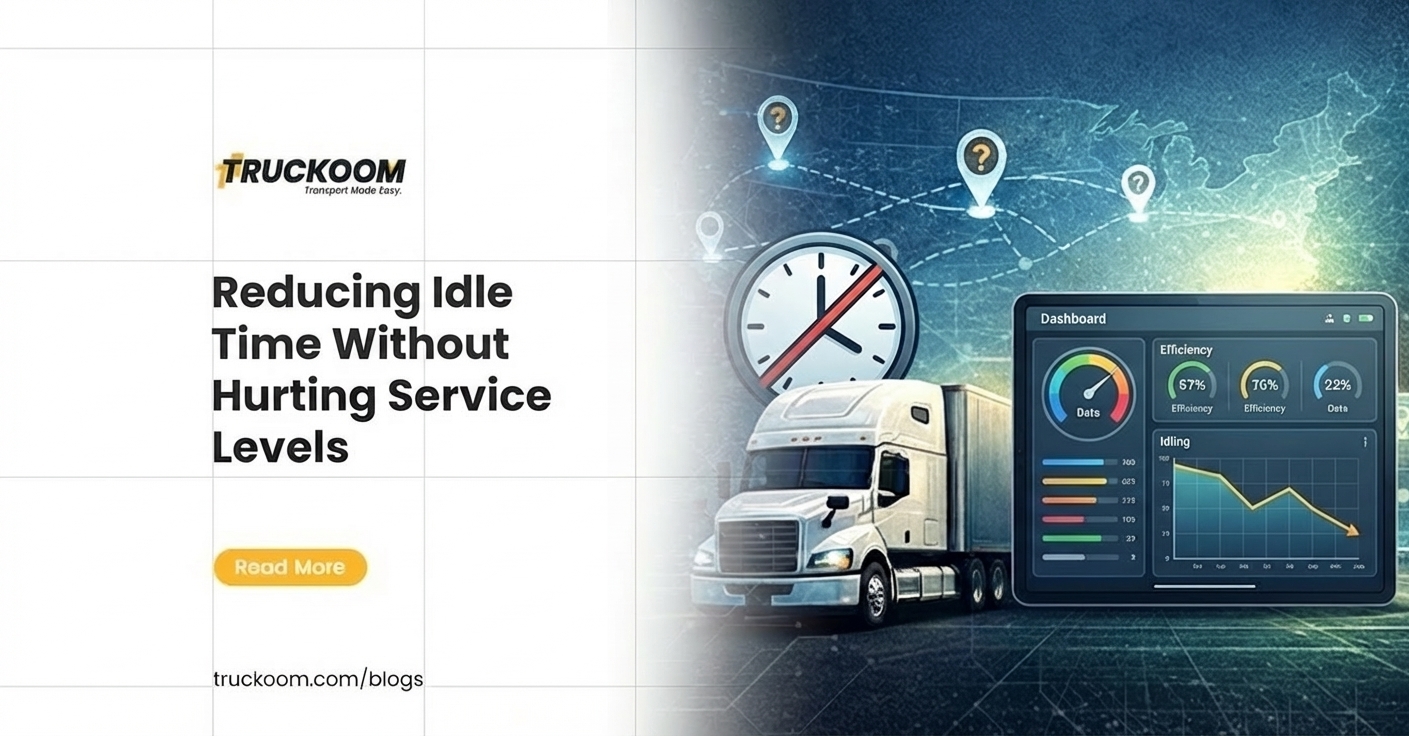

In the fast-paced world of fleet management, balancing efficiency with service quality is a constant challenge. One of the biggest obstacles fleet managers face is reducing idle time while maintaining or even improving service levels. This guide will show you practical strategies to achieve both goals simultaneously.
Understanding Idle Time in Fleet Operations
Idle time refers to periods when vehicles or drivers are not actively engaged in productive work. This can include:
- Vehicles waiting at loading docks
- Drivers sitting in traffic or waiting for assignments
- Equipment running while stationary
- Unplanned downtime between jobs
While some idle time is inevitable, excessive idling drains resources, increases fuel costs, and reduces overall fleet productivity all without delivering value to your customers.
Why Reducing Idle Time Matters
Cost Savings
Every minute of idling burns fuel without generating revenue. Studies show that an hour of idling can consume up to half a gallon of fuel, which adds up quickly across an entire fleet.
Environmental Impact
Reducing idle time lowers your fleet’s carbon footprint, helping your company meet sustainability goals and improve your environmental reputation.
Equipment Longevity
Extended idling increases engine wear and maintenance requirements, shortening the lifespan of your vehicles.
Driver Satisfaction
Efficient routing and scheduling means drivers spend more time on productive tasks and less time waiting, which can improve morale and retention.
Strategies to Reduce Idle Time Without Compromising Service
1. Implement Smart Route Optimization
Modern route planning software analyzes traffic patterns, delivery windows, and vehicle capacity to create the most efficient routes possible.
- Use real-time traffic data: Adjust routes dynamically to avoid congestion and delays
- Group nearby deliveries: Cluster stops geographically to minimize travel time
- Consider time windows: Schedule deliveries during optimal times to reduce waiting
The result? Less time stuck in traffic and more time delivering value to customers.
2. Leverage Fleet Management Technology
Advanced fleet management systems provide visibility into every aspect of your operations:
- GPS tracking: Monitor vehicle locations and identify idle periods in real-time
- Telematics: Collect data on engine performance, fuel consumption, and driver behavior
- Automated alerts: Receive notifications when vehicles exceed acceptable idle thresholds
- Analytics dashboards: Identify patterns and opportunities for improvement
With these tools, you can make data-driven decisions that reduce waste while maintaining service quality.
3. Improve Communication and Dispatching
Seamless communication between dispatchers, drivers, and customers is essential for minimizing idle time:
- Provide drivers with mobile apps for instant updates and job assignments
- Enable two-way communication to quickly address delays or issues
- Send automated customer notifications to manage expectations and reduce wait times
- Use dynamic dispatching to reassign jobs based on current locations and availability
Better communication means fewer miscommunications, less waiting, and happier customers.
4. Optimize Loading and Unloading Processes
Time spent at loading docks is often overlooked but can be a significant source of idle time:
- Schedule dock appointments to minimize wait times
- Standardize loading procedures for efficiency
- Pre-stage shipments when possible
- Cross-train staff to handle multiple tasks during busy periods
Streamlining these processes keeps vehicles moving and drivers productive.
5. Implement Driver Training Programs
Your drivers are on the front lines of your operation. Educating them about the impact of idle time can lead to significant improvements:
- Teach fuel-efficient driving techniques
- Explain the costs and environmental impact of idling
- Set clear expectations and provide regular feedback
- Reward drivers who consistently minimize idle time
Engaged, informed drivers become partners in your efficiency efforts.
6. Establish Idle Time Policies
Create clear guidelines that balance efficiency with practical needs:
- Set maximum acceptable idle times for different scenarios
- Define when idling is necessary (extreme weather, safety concerns, etc.)
- Implement automatic engine shut-off after a specified period
- Review and adjust policies based on performance data
Policies provide structure while allowing flexibility for legitimate operational needs.
7. Conduct Regular Maintenance
Well-maintained vehicles operate more efficiently and experience fewer breakdowns that lead to unplanned idle time:
- Follow manufacturer-recommended maintenance schedules
- Address minor issues before they become major problems
- Keep detailed maintenance records to identify recurring issues
- Consider preventive replacements of high-wear components
Proactive maintenance prevents costly downtime and keeps your fleet running smoothly.
Maintaining Service Levels While Reducing Idle Time
The key to success is finding the right balance. Here’s how to ensure service quality doesn’t suffer:
Build Buffer Time Into Schedules
Allow reasonable time cushions for unexpected delays without over-scheduling idle time. This ensures you can meet commitments even when things don’t go exactly as planned.
Monitor Customer Satisfaction Metrics
Track on-time delivery rates, customer feedback, and service quality indicators alongside idle time metrics. This ensures you’re optimizing the right things.
Set Realistic Expectations
Communicate clearly with customers about delivery windows and keep them informed of any changes. Transparency builds trust and reduces the pressure to rush at the expense of safety or efficiency.
Prioritize Critical Deliveries
Not all deliveries are equally urgent. Use priority-based scheduling to ensure time-sensitive shipments receive the attention they need while optimizing less critical routes for efficiency.
Measuring Success
To know if your efforts are working, track these key performance indicators:
- Idle time percentage: Total idle time as a percentage of total operating time
- Fuel consumption: Gallons used per mile or per delivery
- On-time delivery rate: Percentage of deliveries completed within promised windows
- Cost per delivery: Total operational costs divided by number of deliveries
- Customer satisfaction scores: Feedback and ratings from customers
- Driver productivity: Number of completed jobs per driver per day
Review these metrics regularly and adjust your strategies based on what the data tells you.
Real-World Results
Companies that successfully implement these strategies typically see:
- 15-30% reduction in idle time within the first six months
- 10-20% improvement in fuel efficiency
- Maintained or improved on-time delivery rates
- Reduced vehicle maintenance costs
- Higher driver satisfaction and retention
These improvements translate directly to your bottom line while enhancing your competitive position in the market.
Conclusion
Reducing idle time doesn’t mean sacrificing service quality it means working smarter. By leveraging technology, optimizing processes, engaging your drivers, and maintaining clear communication with customers, you can significantly reduce waste while delivering exceptional service.
The fleet management landscape is evolving rapidly, and companies that embrace efficiency while maintaining high service standards will thrive. Start with one or two strategies from this guide, measure your results, and expand from there. Your fleet, your customers, and your bottom line will all benefit.