
Vehicle uptime is not just a KPI. It directly affects on-time deliveries, customer trust, and profitability. While preventive maintenance is scheduled and budgeted, maintenance exceptions are the unplanned events that disrupt operations and create costly downtime.
This guide explains what maintenance exceptions are, what they cost fleets, the early warning signs to watch for, and proven strategies to reduce unplanned maintenance.
What are maintenance exceptions?
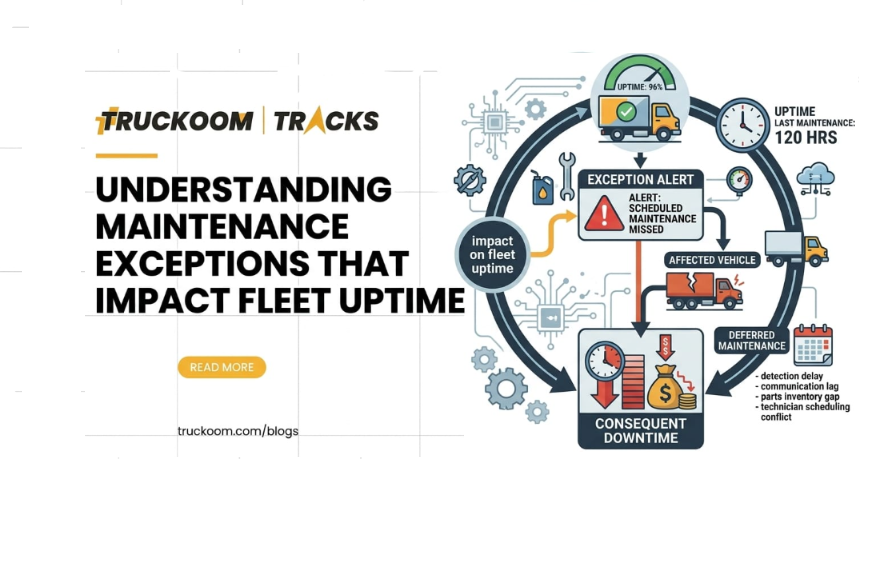
Maintenance exceptions are unplanned maintenance events that happen outside scheduled service intervals. They usually require immediate action and often lead to:
- Unscheduled downtime that impacts delivery schedules
- Emergency repair costs that exceed planned maintenance budgets
- Driver delays and increased safety risk
- Missed or late deliveries that harm customer satisfaction
- Lower asset utilization across the fleet
Common examples include:
- Brake system failures
- Electrical faults
- Cooling system issues
- Transmission problems
- Tire blowouts
Why maintenance exceptions reduce fleet uptime
The cost of unplanned maintenance goes well beyond the repair invoice. A breakdown can trigger multiple layers of impact:
- Roadside assistance and towing
- Driver wages during downtime
- Load rescheduling and dispatch disruption
- Rerouting another vehicle to complete the delivery
- Late-delivery penalties
- Missed follow-on work and lost revenue
- Administrative time spent coordinating the response
For many fleets, unplanned maintenance can cost significantly more than planned service due to urgency, labor, and operational disruption.
Early warning signs of maintenance exceptions
Most major failures have early indicators. Catching them early is often the difference between a quick service visit and a roadside breakdown.
Operational performance indicators
Look for changes such as:
- Drop in fuel efficiency beyond normal variance
- Loss of power or slower acceleration
- Unusual engine noise or vibration
- Hard starting or irregular idling
- Higher operating temperatures than normal
Driver-reported observations
Drivers spot issues first. Encourage reporting of:
- New sounds, smells, or vibration
- Warning lights, even if intermittent
- Changes in braking performance or handling
- Fluid leaks
- Unusual exhaust smoke
- Any consistent “something feels off” feedback
Maintenance history patterns
Your work orders often show trends before a failure happens:
- Repeat repairs on the same system
- Repairs needed well before scheduled intervals
- Multiple minor faults occurring in a short period
- Increasing frequency of fluid top-ups
How to reduce maintenance exceptions (practical strategies)
1. Standardize pre-trip and post-trip inspections
A strong inspection process reduces roadside failures.
- Use a consistent checklist (tires, brakes, lights, fluids, leaks, steering, suspension)
- Capture photos when possible
- Track recurring inspection findings by unit
If you use digital inspection tools, you gain a useful audit trail for maintenance planning.
2. Track and analyze maintenance data
Turn repair history into action:
- Identify vehicles with frequent unscheduled repairs
- Find patterns in component failures across the fleet
- Monitor component age, miles, and time-in-service
- Compare actual life to manufacturer expectations
- Watch for seasonal trends (cooling in summer, batteries in winter)
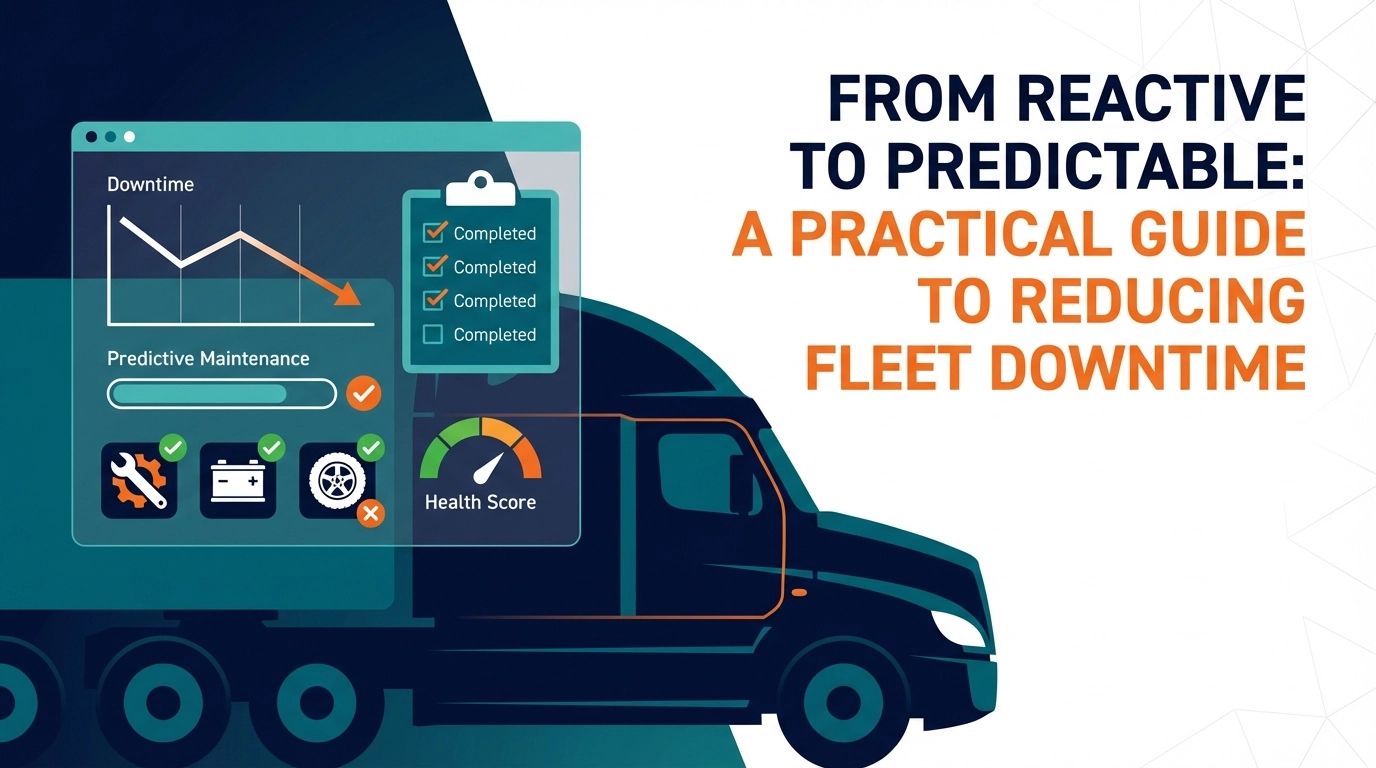
This helps fleets move from reactive fixes to preventive or predictive decisions.
3. Use condition-based maintenance where it fits
Instead of servicing only by time or mileage, trigger service based on actual condition:
- Oil analysis for contamination and wear
- Brake measurements for pad and rotor thickness
- Battery and charging system testing
- Tire tread depth and pressure monitoring
Condition-based maintenance can extend intervals where appropriate while catching deterioration early.
4. Build a driver-to-maintenance communication loop
A simple, consistent reporting process matters.
- Train drivers on what to report and why
- Make reporting easy (app, form, or quick call process)
- Respond quickly so drivers see the system works
- Recognize drivers who prevent failures by reporting early
5. Leverage telematics and diagnostics
Modern trucks generate diagnostic and usage data that can help you predict failures.
Telematics can flag:
- Diagnostic trouble codes (DTCs) before they become serious
- Abnormal operating conditions that accelerate wear
- Deviations from baseline performance
- Events that stress components, such as harsh braking
When telematics integrates with maintenance workflows, it can also support faster triage and earlier interventions.
Build a maintenance exception prevention program (step-by-step)
Step 1: Establish a baseline
Review the last 12 months of maintenance data to understand:
- Rate of unplanned maintenance events
- Most common exception categories
- Units with the highest frequency of exceptions
- Total downtime and cost impact
Step 2: Prioritize the highest-impact exception types
Focus first on issues that:
- Create safety risk
- Cause the longest downtime
- Occur most frequently
- Have the highest total cost
Step 3: Implement targeted interventions
Examples include:
- Enhanced inspections for high-failure systems
- Adjusted service intervals for high-wear components
- Condition monitoring for critical assets
- Vendor or parts quality review if failures cluster around specific components
Step 4: Measure and refine
Track outcomes using metrics like:
- Reduction in unplanned maintenance events
- Share of issues caught during inspections vs. breakdowns
- Reduction in roadside calls
- Improvement in fleet availability
- Cost savings from early detection
FAQs
Are maintenance exceptions the same as preventive maintenance?
No. Preventive maintenance is planned and scheduled. Maintenance exceptions are unplanned events that require immediate attention.
What is the fastest way to reduce maintenance exceptions?
Most fleets see quick wins by standardizing inspections, improving driver reporting, and analyzing maintenance history to identify repeat-failure patterns.
Conclusion
Maintenance exceptions cannot be eliminated completely, but they can be reduced with better inspections, smarter data use, and clear communication. When fleets catch issues earlier, they protect fleet uptime, reduce emergency costs, and improve service reliability.